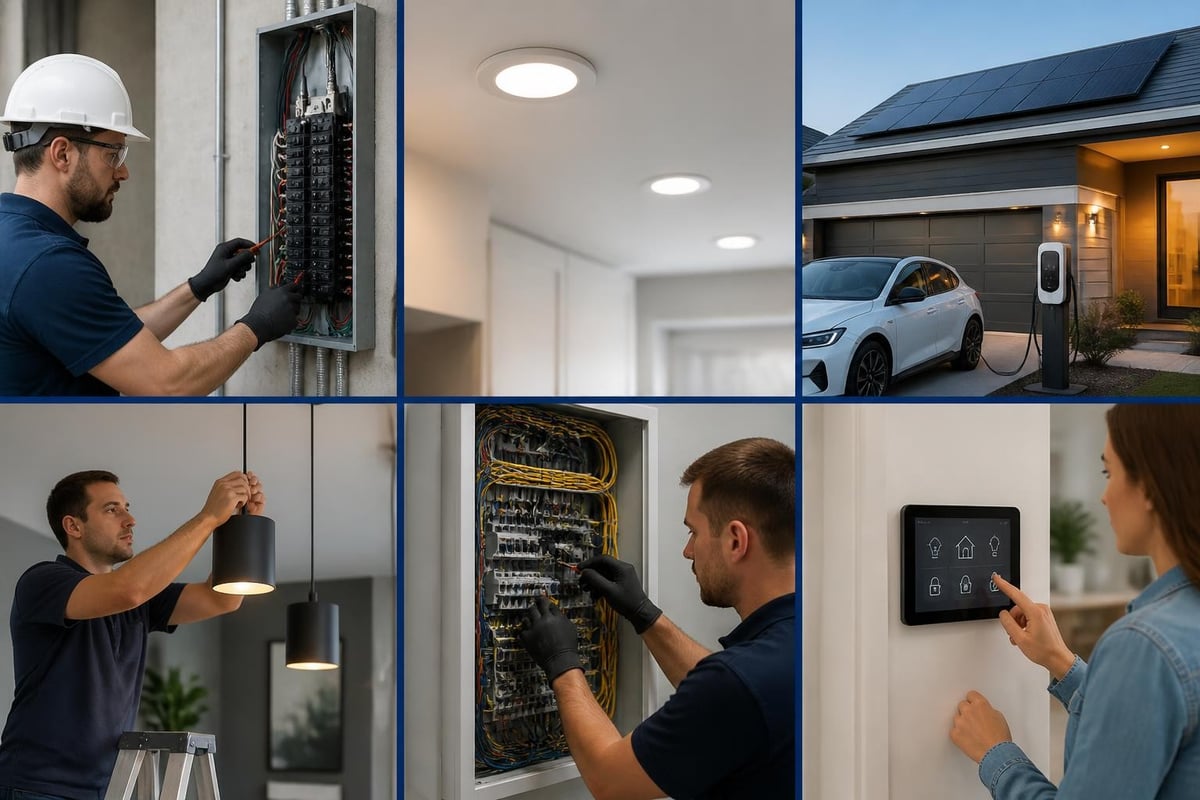
Homeowners today face increasingly complex electrical needs, from upgrading aging panels to integrating renewable energy systems and supporting electric vehicle charging. A qualified residential electrician brings essential expertise to ensure these installations meet safety standards, comply with local codes, and deliver reliable performance. Whether you're planning a simple outlet addition or a comprehensive whole-home rewiring project, understanding what residential electricians do and how to choose the right professional protects your investment and your family's safety.
Understanding the Residential Electrician's Role
A residential electrician specializes in electrical systems within single-family homes, townhouses, condominiums, and small apartment buildings. These professionals handle everything from new construction wiring to service calls for troubleshooting and repairs.
Unlike industrial or commercial electricians who work with high-voltage three-phase systems and complex motor controls, residential specialists focus on 120V and 240V single-phase circuits that power lighting, appliances, HVAC systems, and modern smart-home technology. Their work must adhere to the National Electrical Code, which establishes minimum safety standards for residential wiring, grounding, overcurrent protection, and device installation.
Core Services Provided
Residential electricians offer a wide range of services tailored to homeowner needs:
- Panel upgrades and service increases to accommodate growing electrical loads
- Circuit installations for kitchens, bathrooms, home offices, and entertainment systems
- Lighting design and installation including recessed, pendant, and outdoor fixtures
- Outlet and switch replacements with GFCI and AFCI protection where required
- Whole-home surge protection to safeguard sensitive electronics
- Ceiling fan installation with proper support and switch configurations
Modern residential electricians also handle specialized installations such as electric vehicle charging stations, home theater wiring, and integrated smart-home automation systems. These advanced services require both traditional electrical knowledge and familiarity with low-voltage control systems and network infrastructure.
Training and Certification Pathways
Becoming a residential electrician requires rigorous training that combines classroom instruction with hands-on experience. Most professionals enter the field through formal apprenticeship programs that meet IBEW/NECA training standards, completing 8,000 hours of on-the-job training alongside 576 hours of classroom instruction over four years.
| Credential Level | Requirements | Scope of Work |
|---|---|---|
| Apprentice | Registered program enrollment | Supervised installations only |
| Journeyman | 4+ years apprenticeship + exam | Independent residential work |
| Master Electrician | Additional years + advanced exam | Design, permitting, supervision |
| Contractor License | Master status + business requirements | Own electrical contracting business |
After completing apprenticeship requirements, electricians must pass comprehensive examinations covering electrical theory, code knowledge, and safe work practices. Continuing education requirements ensure professionals stay current with code updates, new technologies, and evolving safety standards.
Specializations Within Residential Work
Many residential electricians develop expertise in specific areas:
Solar and renewable energy integration has become increasingly important as homeowners seek energy independence and reduced utility costs. Electricians with solar credentials understand photovoltaic system design, battery storage integration, and grid interconnection requirements.
Service upgrade specialists focus on replacing outdated 100-amp panels with modern 200-amp or 400-amp systems that support heat pumps, EV chargers, and other high-demand appliances. These upgrades often qualify for federal and state incentives through programs detailed in the Department of Energy’s home upgrade guidance.
Troubleshooting experts excel at diagnosing intermittent problems, tracking down electrical noise, and resolving complex issues that elude less experienced technicians.
Safety Standards and Code Compliance
Electrical work carries inherent risks that make professional installation and strict code adherence essential. The Electrical Safety Foundation International reports that electrical failures or malfunctions cause approximately 24,000 residential fires annually in the United States, resulting in hundreds of deaths and over a billion dollars in property damage.
Critical Safety Requirements
Modern electrical codes mandate multiple layers of protection:
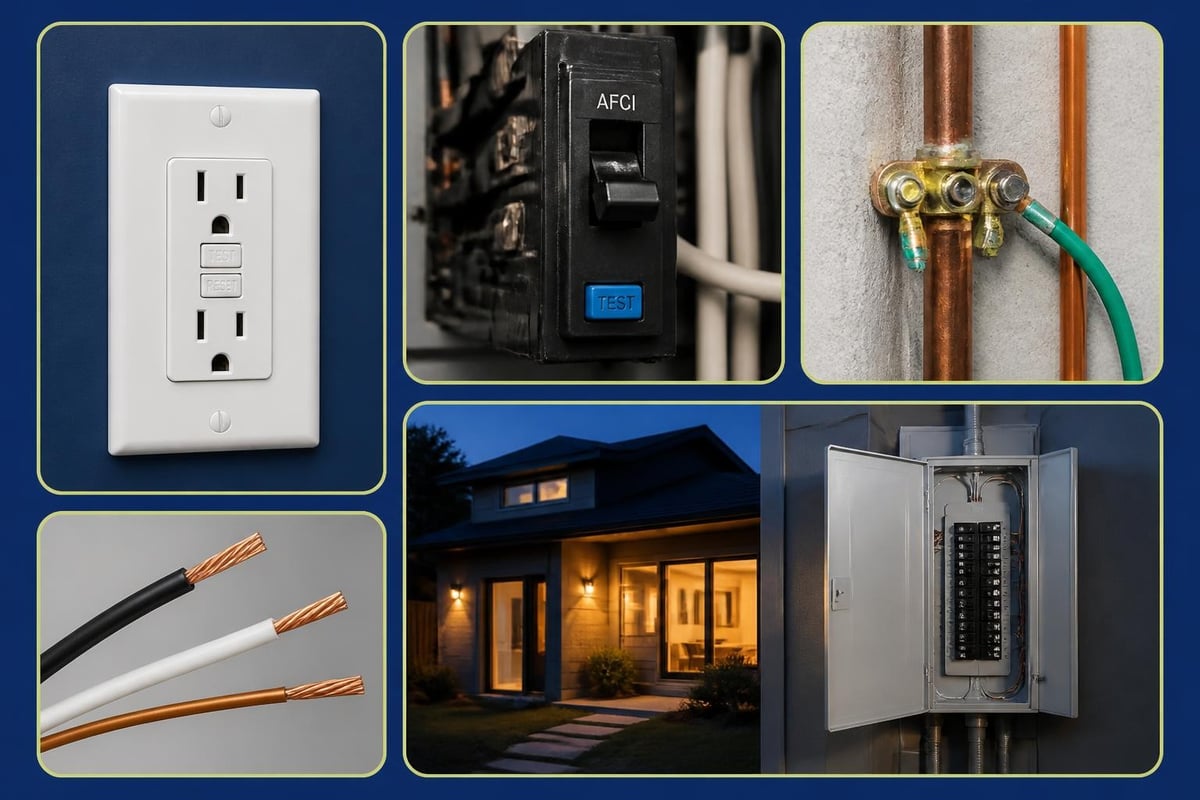
- Ground-fault circuit interrupters (GFCIs) in bathrooms, kitchens, garages, and outdoor locations prevent electrocution by detecting current leakage
- Arc-fault circuit interrupters (AFCIs) in bedrooms and living areas detect dangerous arcing conditions that can ignite fires
- Proper conductor sizing ensures wires can safely carry their intended loads without overheating
- Overcurrent protection through correctly sized circuit breakers prevents wire damage during fault conditions
- Grounding and bonding systems provide safe paths for fault currents and equalize voltage potential
A qualified residential electrician ensures every installation meets these requirements and obtains necessary permits for inspection by local authorities. Work performed without permits or by unlicensed individuals voids insurance coverage and creates liability when homes are sold.
Solar Integration and Energy Independence
South African homeowners increasingly turn to solar installations to combat rising electricity costs and ensure power continuity during grid outages. A residential electrician with solar expertise becomes essential for safe, compliant installations that maximize system performance.
Solar projects require coordination between photovoltaic arrays, inverters, battery storage, and existing electrical infrastructure. The electrician must properly size conductors for DC solar circuits, install appropriate disconnects and overcurrent protection, and ensure correct grounding for both AC and DC systems.
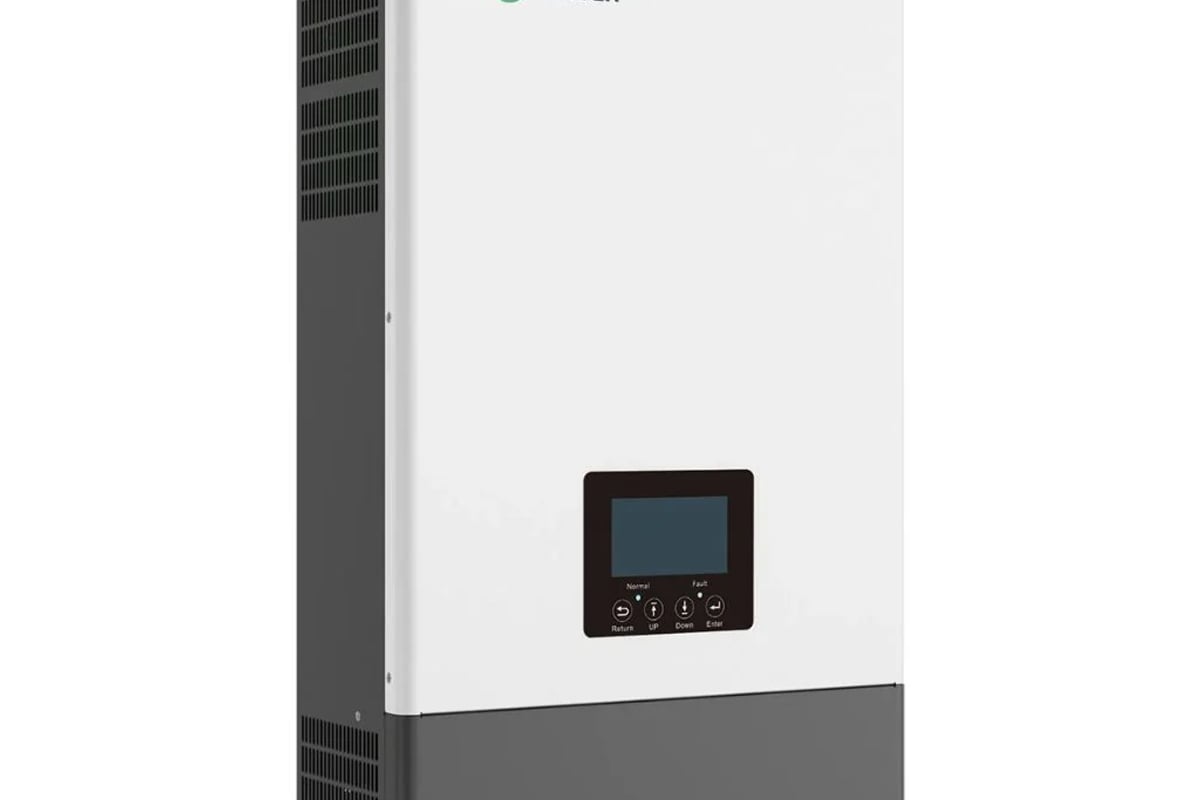
Modern hybrid inverter systems offer the most flexibility for residential applications. These units manage solar production, battery charging, grid interaction, and backup power seamlessly. Professional installation by a qualified electrician ensures proper configuration, optimal performance, and warranty compliance.
For homeowners ready to invest in renewable energy, high-efficiency panels paired with quality inverters deliver the best long-term value. The LUXPOWER 5KW HYBRID INVERTER provides an excellent balance of capacity, features, and affordability for typical residential installations, supporting both off-grid independence and grid-tied operation with intelligent battery management.
Battery storage integration adds another layer of complexity requiring specialized knowledge. Electricians must understand different battery chemistries, proper ventilation requirements, temperature management, and safety disconnects. Systems using lithium-ion technology demand particular attention to battery management systems and proper enclosure specifications.
Panel Upgrades and Service Modernization
Homes built before 1990 often feature 100-amp or smaller electrical services inadequate for modern demands. Air conditioning, electric heating, multiple large appliances, and home offices can easily exceed these limited capacities, causing nuisance breaker trips and potential safety hazards.
Signs You Need a Service Upgrade
Homeowners should consult a residential electrician when experiencing:
- Frequent circuit breaker trips or blown fuses
- Flickering lights when major appliances start
- Burning smells near the electrical panel
- Buzzing or crackling sounds from outlets or switches
- Discolored outlet covers or warm switch plates
- Two-prong outlets throughout the home indicating lack of grounding
A professional electrical inspection reveals whether your current service can safely support planned additions. Most electricians recommend 200-amp service for homes with central air conditioning, electric water heaters, and modern kitchens. Larger homes with heat pumps, EV chargers, and pool equipment may require 400-amp services.
| Service Size | Typical Applications | Maximum Load |
|---|---|---|
| 100 Amp | Small homes, minimal AC, gas appliances | 24,000 watts |
| 200 Amp | Standard modern homes with electric appliances | 48,000 watts |
| 400 Amp | Large homes, heat pumps, EV charging, pools | 96,000 watts |
Service upgrades involve coordinating with your utility provider, obtaining permits, and potentially trenching for new underground feeds or installing larger overhead conductors. Experienced residential electricians manage this entire process, ensuring minimal disruption to your daily routine.
Hiring the Right Professional
Selecting a qualified residential electrician protects your home and family while ensuring work meets code requirements and manufacturer specifications. The Consumer Reports guidance on generator installations emphasizes how proper professional installation prevents dangerous feedback into utility lines and ensures safe operation.
Evaluation Criteria
Ask potential electricians these key questions:
- What licenses and insurance do you carry? Verify active licenses, general liability coverage, and workers' compensation insurance
- Will you obtain necessary permits? Legitimate professionals pull permits and schedule required inspections
- Can you provide recent references? Contact previous customers about work quality, professionalism, and adherence to schedules
- What warranties do you offer? Reputable contractors stand behind their workmanship with written guarantees
- Do you specialize in my project type? Solar installations, service upgrades, and smart-home integration require specific expertise
Request detailed written estimates that itemize materials, labor, permit fees, and project timelines. Be wary of unusually low bids that may indicate unlicensed workers, substandard materials, or hidden costs that emerge later.
Red Flags to Avoid
Certain warning signs indicate you should look elsewhere:
- Reluctance to provide licensing information or proof of insurance
- Demands for large upfront payments before work begins
- Pressure to skip permits "to save money"
- Inability to explain work in clear terms or answer technical questions
- No physical business address or established local presence
- Resistance to providing written contracts or detailed estimates
Professional residential electricians understand that educated customers make better clients. They welcome questions, explain options clearly, and provide documentation for every aspect of the project.
Smart Home Integration and Modern Technologies
Today's homes incorporate technology unimaginable just a decade ago. Residential electricians now install and integrate systems that homeowners control through smartphones, voice commands, and automated schedules.
Smart electrical panels provide real-time monitoring of circuit-level energy consumption through apps that identify waste and optimize usage. These panels integrate with solar systems, battery storage, and time-of-use utility rates to automatically shift loads and maximize savings.
Whole-home automation platforms require proper electrical infrastructure. Low-voltage wiring for sensors, keypads, and touchscreens must be carefully planned and installed alongside traditional line-voltage circuits. A skilled residential electrician coordinates these systems to ensure reliable operation and intuitive control.
Essential Smart-Home Electrical Components
Modern installations commonly include:
- Smart switches and dimmers with scheduling, dimming curves, and scene control
- Occupancy sensors that automatically control lighting and HVAC in rarely used spaces
- Smart thermostats that learn preferences and optimize heating and cooling cycles
- Motorized window treatments integrated with lighting for circadian rhythm support
- Whole-home energy monitors tracking consumption by circuit and device
Proper installation requires understanding both electrical fundamentals and communication protocols. Many devices use wireless mesh networks, but critical infrastructure components often demand hardwired connections for reliability and security.
Emergency Services and Troubleshooting
Electrical emergencies demand immediate professional response. Sparking outlets, burning smells, or complete power loss can indicate dangerous conditions requiring expert diagnosis and repair.
Experienced residential electricians arrive equipped with diagnostic tools including multimeters, circuit tracers, thermal imaging cameras, and insulation testers. These instruments quickly identify problems that visual inspection alone might miss.
Common emergency scenarios include:
- Circuit breaker panels showing signs of overheating or corrosion
- GFCI devices that won't reset indicating ongoing ground faults
- Flickering lights throughout the home suggesting loose utility connections
- Outlets or switches that feel warm or show discoloration
- Complete loss of power despite utility service being active
Preventive Maintenance
Regular electrical inspections prevent many emergency situations. Homeowners should schedule professional evaluations:
- Every 3-5 years for homes under 25 years old
- Every 1-2 years for homes over 40 years old
- Before purchasing a home as part of due diligence
- After major storms or other weather events
- When planning significant renovations or additions
During inspections, electricians test GFCI and AFCI devices, check panel connections for signs of overheating, verify proper grounding, measure voltage levels, and identify code violations or outdated components requiring replacement.
Backup Power Systems
Load-shedding and grid instability drive South African homeowners toward comprehensive backup power solutions. A residential electrician designs and installs systems ranging from simple manual transfer switches to sophisticated automatic switchgear that seamlessly transitions between utility, solar, and generator power.
Transfer Switch Options
| Type | Operation | Cost | Best For |
|---|---|---|---|
| Manual | Operator throws switch during outage | Low | Occasional use, small loads |
| Automatic | Instant switchover, no user action | Medium | Essential circuits, frequent outages |
| Hybrid Inverter | Integrated battery and solar management | High | Complete energy independence |
Proper transfer switch installation prevents dangerous backfeeding that can injure utility workers and damage equipment. Only licensed professionals should perform this critical work, ensuring code compliance and obtaining necessary utility approvals.
Whole-home backup systems require careful load calculation to determine generator sizing. A residential electrician evaluates your essential circuits, calculates starting and running loads, and recommends appropriately sized equipment. Undersized generators fail to start large motors, while oversized units waste fuel and money.
Material Selection and Quality Standards
Professional residential electricians specify materials meeting UL safety certifications and appropriate for each application. While homeowners may be tempted to save money through discount suppliers, inferior materials create safety hazards and long-term reliability issues.
Quality considerations include:
- Wire insulation ratings appropriate for ambient temperatures and installation methods
- Device ratings matching circuit ampacity and voltage requirements
- Weatherproof enclosures with appropriate NEMA ratings for outdoor applications
- Listed equipment bearing UL, ETL, or other recognized testing laboratory marks
- Manufacturer warranties backed by established companies with local support
Solar DC cable must be UV-resistant and rated for outdoor exposure, while indoor circuits use standard building wire appropriate for the installation method. Mixing incompatible materials or using components beyond their rated specifications voids warranties and creates code violations.
Future-Proofing Your Electrical System
Forward-thinking homeowners work with residential electricians to build flexibility into their electrical systems. Adding extra capacity today costs less than retrofitting later when needs expand.
Strategic planning includes:
- Installing 200-amp service even when current loads suggest 100-amp suffices
- Running conduit to anticipated future equipment locations during renovations
- Providing dedicated circuits for potential EV chargers, home offices, or workshop spaces
- Installing weatherproof enclosures with room for expansion
- Specifying panels with sufficient spare breaker positions for additions
Solar-ready homes include roof penetrations, conduit pathways, and panel space reserved for future photovoltaic installations. Even if immediate solar installation isn't planned, these preparations dramatically reduce retrofit costs when priorities change.
Electric vehicle adoption accelerates globally, making dedicated EV charging circuits increasingly valuable. A 240V, 50-amp circuit handles most home chargers, delivering 30-40 miles of range per charging hour. Electricians position these circuits in garages or carports with conduit pathways allowing upgrades to faster charging as technology evolves.
Modern residential electrical systems demand professional expertise spanning traditional power distribution, renewable energy integration, and smart-home technology. Working with a qualified residential electrician ensures your installations meet safety standards, comply with codes, and deliver reliable performance for decades. Whether you're planning solar integration, service upgrades, or comprehensive backup power systems, ELECTRICAL4U(PTY)LTD brings over 20 years of experience to both residential and industrial projects throughout South Africa, delivering quality solutions backed by technical expertise and exceptional service.